

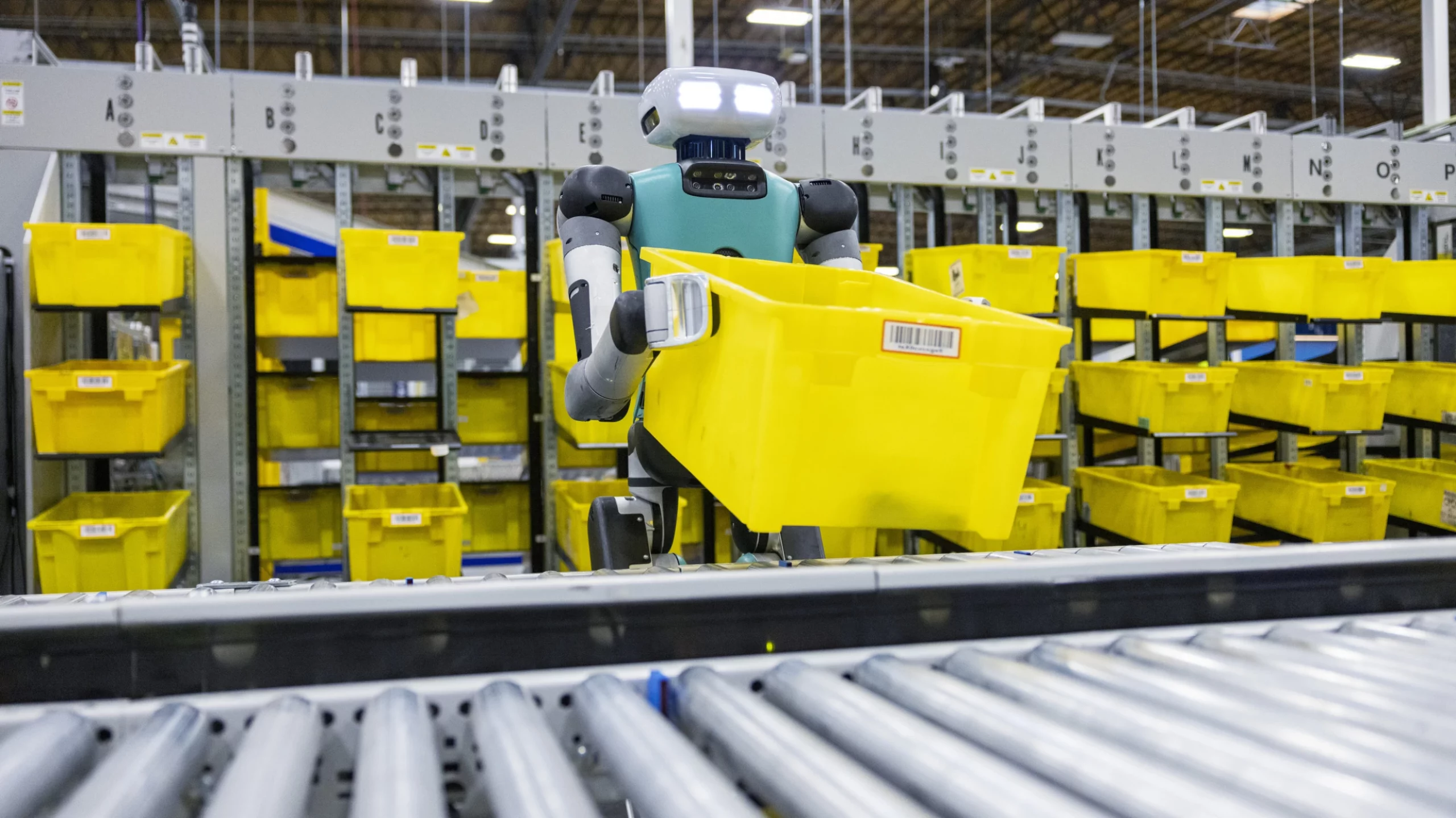
Amazon's latest foray into the debt market has met with extraordinary demand, with the company attracting approximately $126 billion in peak orders for its bond sale on Tuesday. This figure represents one of the largest ever for a corporate bond offering, underscoring the continued strong appetite for debt issued by major technology companies even as broader economic uncertainty persists. The bond sale is part of a broader trend among tech giants, who are increasingly turning to debt markets to fund their massive capital expenditures on artificial intelligence (AI) infrastructure. Amazon's offering comes on the heels of similar moves by Oracle, which drew $129 billion in February, and Meta, which attracted $125 billion in October of the previous year. These numbers highlight the sheer scale of investment required to build and maintain the data centers, custom chips, and other hardware necessary to support cutting-edge AI models.
Details of the Bond Sale
Amazon is planning to offer as many as 11 tranches on the US high-grade debt market, ranging from two to 50 years in maturity. Additionally, the company is marketing an eight-part euro-denominated bond sale this week, indicating a strategy to diversify its investor base across currencies. The move follows Amazon's $15 billion bond issuance in November last year, which was its first US dollar-denominated bond sale in three years. By comparison, Google parent Alphabet raised more than $30 billion in issuance across dollar, sterling, and Swiss franc denominated debt just last month. The strong demand for Amazon's bonds—exceeding the available supply by a wide margin—suggests that investors view the company's debt as a safe haven, even as the broader economy grapples with inflationary pressures and interest rate uncertainty.
Amazon's AI Investment Strategy
The proceeds from the bond sale will be used to finance Amazon's aggressive expansion into AI. In February, the company announced plans to spend $200 billion on capital expenditures this year, with the lion's share directed toward AI infrastructure. This figure surpasses the spending plans of competitors such as Google and Microsoft, both of which have also ramped up their AI investments. Amazon's spending includes investments in custom AI chips, robotics, and low Earth orbit satellites, areas that CEO Andy Jassy has identified as critical to maintaining the company's competitive edge. During a recent investor call, Jassy stated, "We're going to invest to be the leader in this space," justifying the massive outlays despite ongoing questions from investors about the timeline for returns on these unprofitable ventures. The company's approach reflects a bet that early dominance in AI will translate into long-term revenue growth and market share.
Market Context and Investor Sentiment
Tech companies' continued AI spending has faced more difficult conditions this year, as investors look for clearer signals regarding the profitability of these investments. The AI sector has been characterized by high costs and uncertain revenue streams, with many companies pouring billions into research and development without immediate payoffs. However, the bond market's reception to Amazon's offering suggests that institutional investors remain confident in the company's ability to generate future cash flows. The strong demand for tech debt, even as other sectors struggle, indicates a flight to quality in the bond market, where large-cap technology firms are seen as relatively stable bets. Amazon's diversified business model—spanning e-commerce, cloud computing (AWS), advertising, and digital streaming—provides multiple revenue streams that can offset the risks associated with AI investments. Moreover, the company's history of successful capital allocation, from its early investments in AWS to its logistics network, gives investors reason to trust its judgment in the AI arena.
Historical Context and Industry Trends
The use of debt to finance capital expenditures is not new for Amazon. The company has historically leveraged its strong credit rating to raise funds at favorable rates, allowing it to invest aggressively in new ventures. The current wave of AI-related debt issuance is part of a broader trend that began in earnest in 2023, when generative AI applications like ChatGPT captured the public's imagination. Since then, the race to build the most powerful AI models has intensified, with companies like OpenAI, Anthropic, and Google competing for talent and computing resources. The infrastructure required to train and deploy large language models is immense, requiring specialized chips, vast data centers, and enormous amounts of energy. Amazon's investment in custom AI chips, such as its Trainium and Inferentia processors, aims to reduce dependence on NVIDIA's GPUs and lower costs over the long term. Similarly, its investments in robotics are intended to automate warehouse operations and improve efficiency, while low Earth orbit satellites (through Project Kuiper) aim to expand global internet connectivity, which can serve as a platform for AI-driven services.
Comparison with Peers
Amazon's approach to AI investment differs from that of competitors in several respects. While Microsoft has focused on integrating AI into its productivity suite (Office 365, Azure) and partnering with OpenAI, Google has leveraged its deep expertise in machine learning to enhance search, advertising, and cloud services. Amazon, on the other hand, is emphasizing infrastructure and hardware, betting that owning the underlying technology will give it a competitive advantage. The company's $200 billion capex plan for this year alone is a significant leap from previous years, when capital spending averaged around $60-70 billion annually. This escalation has raised eyebrows among some analysts, who worry about the potential for overinvestment if AI demand fails to materialize as expected. However, Amazon's track record suggests that it is willing to tolerate short-term losses for long-term gains, a strategy that has paid off handsomely in the past. In the cloud computing market, for example, AWS took years to become profitable but now generates substantial margins and dominates the sector.
Economic Implications and Future Outlook
The scale of Amazon's bond sale and the strong demand for it have implications beyond the company itself. It signals that large technology companies may increasingly rely on debt markets to finance their AI ambitions, rather than tapping existing cash reserves or issuing equity. This could lead to a buildup in corporate debt levels, though for now, companies like Amazon maintain strong balance sheets with manageable leverage ratios. The issuance also provides a benchmark for other tech firms considering similar moves, and the high demand may encourage smaller companies to follow suit. However, the broader economic environment remains uncertain, with central banks maintaining elevated interest rates to combat inflation. Amazon's ability to secure such a large bond sale in this environment is a testament to its creditworthiness and the perceived strength of its AI strategy. Looking ahead, the company will need to demonstrate that its investments are translating into tangible products and revenues, such as improved Alexa capabilities, more efficient logistics, and new AI-powered cloud services. The bond market's vote of confidence buys Amazon time, but the ultimate test will be in the marketplace.
In the meantime, Amazon's European bond offering, denominated in euros, further diversifies its funding sources and taps into investor demand across the Atlantic. This move reflects the global nature of the AI arms race, with European and Asian investors also keen to participate in the growth story. The company's willingness to issue long-dated bonds, including a 50-year tranche, shows confidence in its long-term prospects and locks in borrowing costs for decades. With AI expected to reshape industries from healthcare to finance, Amazon's debt-fueled investments position it to be a central player in this transformation. The coming years will reveal whether the bet pays off, but for now, the bond market's overwhelming response provides a strong endorsement of Amazon's strategy. As Jassy and his team continue to execute on their vision, the company remains at the forefront of the AI revolution, funded by one of the largest corporate debt offerings in history.
Source: Silicon UK News